What is Maqam Ibrahim? Meaning and Quranic Significance
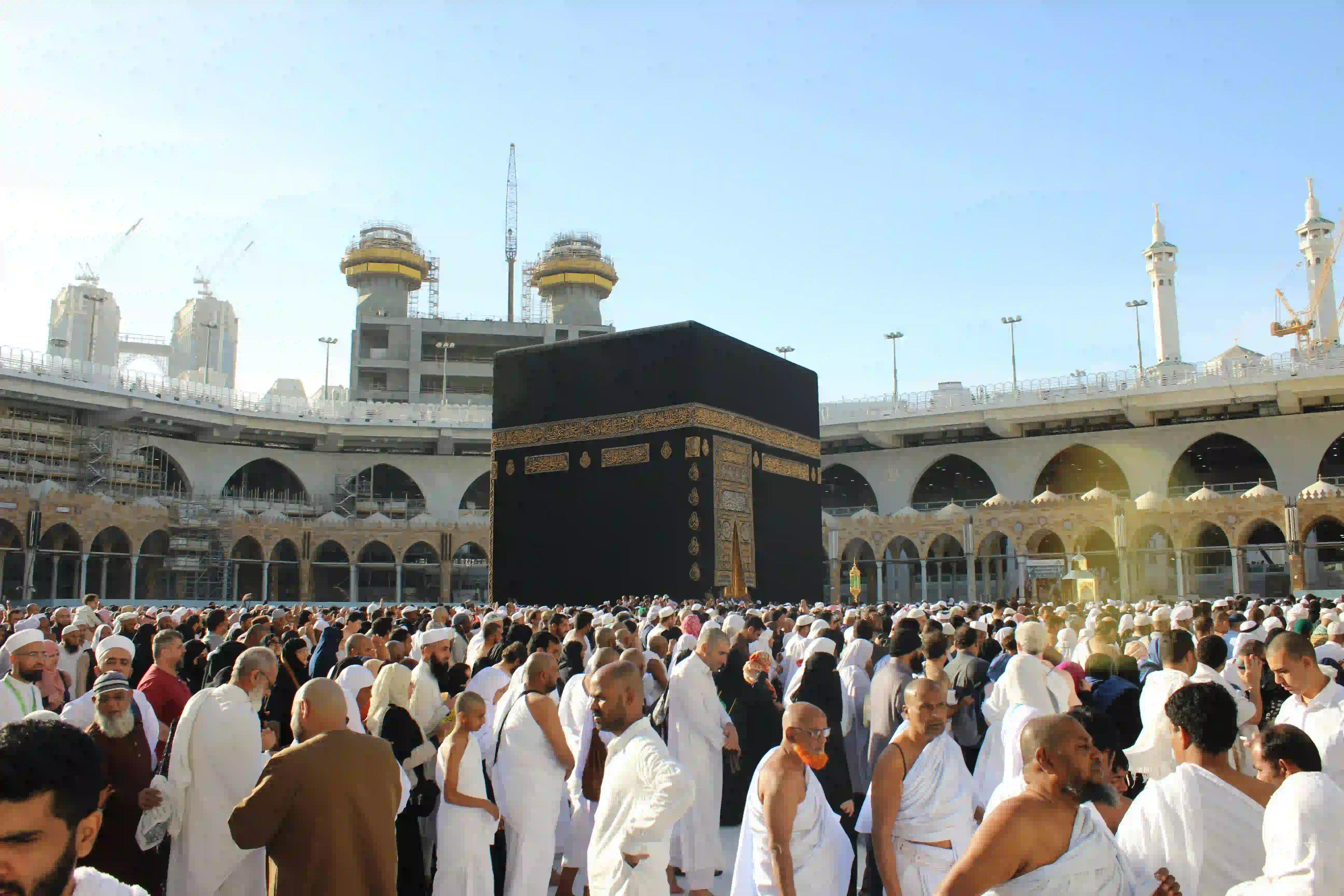
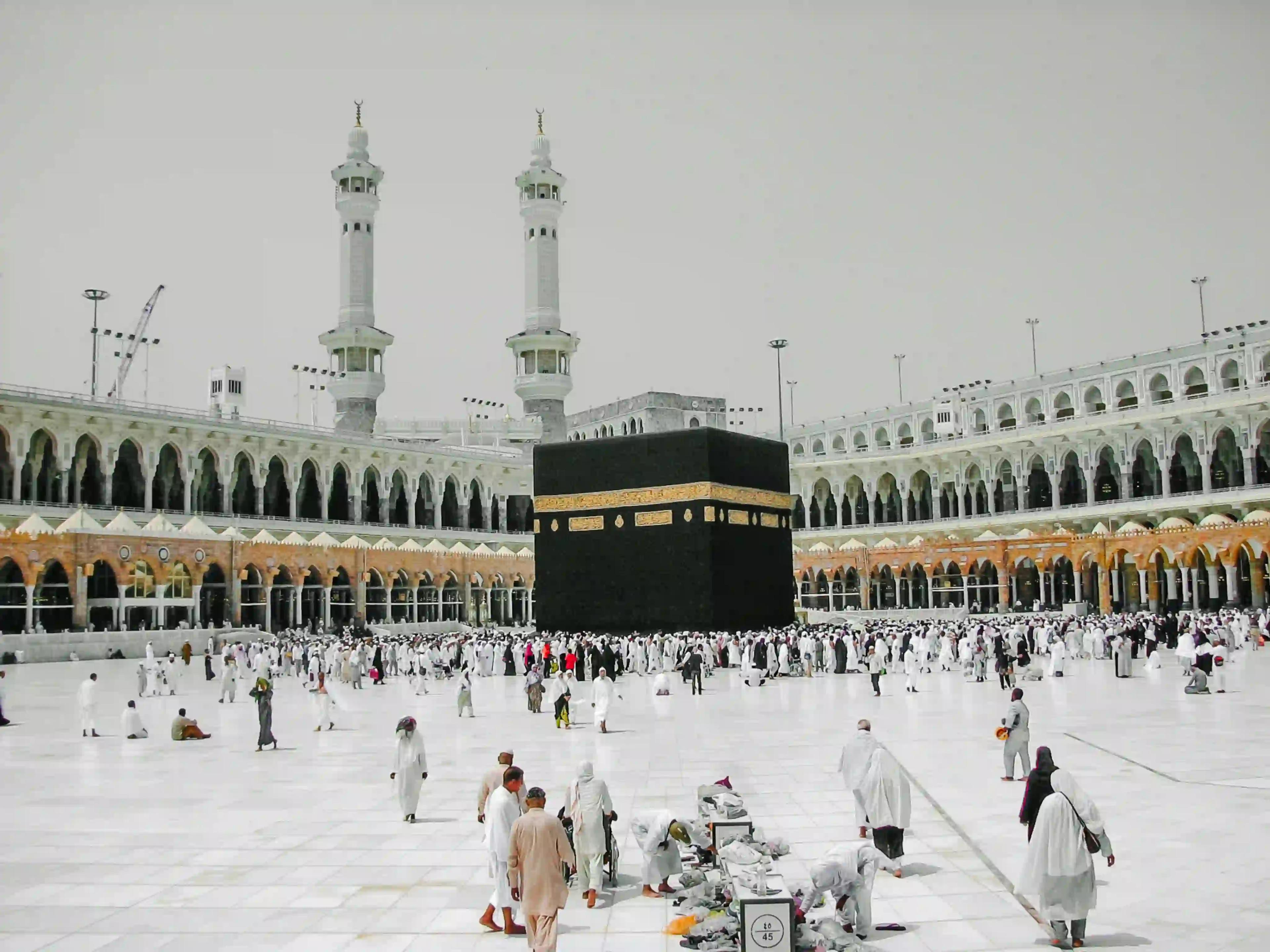
Standing just a few meters from the Holy Kaaba inside Masjid al-Haram, Maqam Ibrahim (The Station of Abraham) is one of the clearest signs of Allah’s divine legacy in Makkah.
Contrary to a common misconception, Maqam Ibrahim is not a grave (qabr). The word maqam literally translates to "standing place." It marks the sacred stone upon which Prophet Ibrahim (AS) stood while building the upper walls of the Kaaba alongside his son, Prophet Ismail (AS).
As the structure grew taller, Allah caused the stone to elevate miraculously under his feet, softening like clay beneath him to preserve his deep footprint for generations to come.
"And take you (people) the Maqam (place) of Ibrahim as a place of prayer."
— Surah Al-Baqarah (2:125)
What is Inside Maqam Ibrahim?
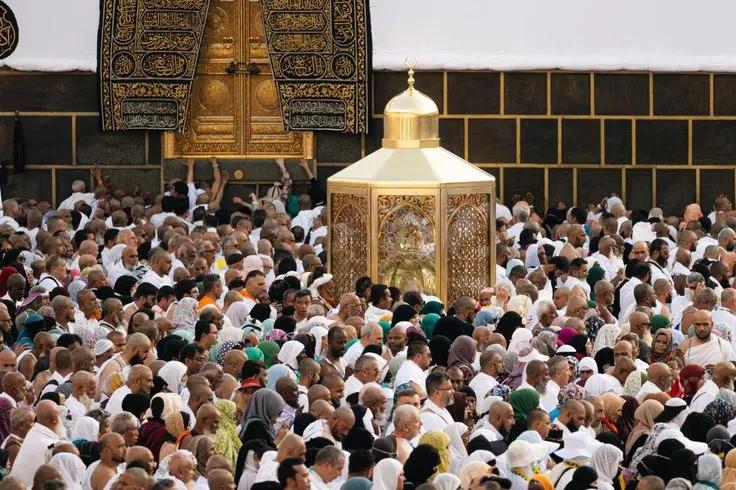
Today, pilgrims observe a beautiful, hexagonal golden-bronze crystal shrine in the Mataf courtyard.
- The Sacred Rock: Inside the decorative casing rests the genuine, square-shaped sacred stone measuring roughly 40 cm across.
- The Footprints: The rock bears the distinct indentations of Prophet Ibrahim’s feet, approximately 20 cm in length and up to 10 cm deep.
- Preservation: To shield the relic from erosion and physical wear caused by touch over the centuries, the stone is sealed securely beneath heavy protective glass and framed in pure brass and gold plating.
Can You Go Inside the Kaaba vs. Maqam Ibrahim?
A common question among pilgrims preparing for Umrah is whether ordinary visitors can step inside the Kaaba or directly touch the stone inside Maqam Ibrahim:
- Inside Maqam Ibrahim: Visitors cannot access the interior of the glass casing; it remains sealed year-round under the guardianship of the General Presidency for the Affairs of the Two Holy Mosques.
- Inside the Holy Kaaba: The interior of the Kaaba is closed to the public and accessible only to select dignitaries, heads of state, and caretakers during official cleaning ceremonies. For pilgrims seeking the immense reward of praying "inside" the Kaaba, praying within Hijr Ismail (Hateem) carries the exact same spiritual virtue, as that semi-circular area is historically part of the Kaaba’s foundation.
How to Pray 2 Rakat at Maqam Ibrahim During Umrah
Offering a two-unit voluntary prayer (Salah al-Tawaf) after completing your seven circuits of Tawaf is an established Sunnah.
- Recite the Quranic Verse: As you head toward the Station after finishing your seventh circuit, recite:
- “Wattakhidhoo mim-maqaami Ibraaheema musallaa” (Surah Al-Baqarah 2:125).
- Position Yourself: Position Maqam Ibrahim between yourself and the Kaaba if space safely allows.
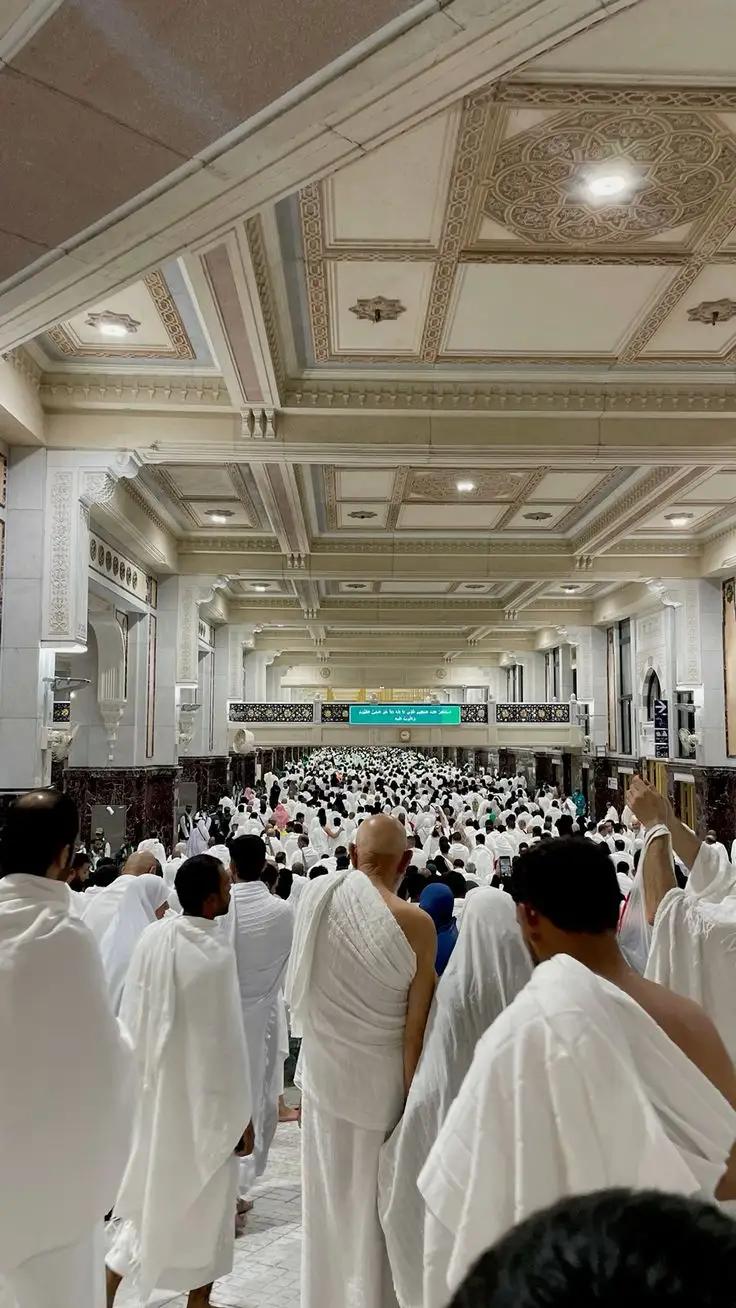
- Handle Heavy Crowds Gracefully: If the Mataf area near the shrine is congested, do not block the path of circling pilgrims. The Sunnah is fulfilled by praying anywhere behind the station or anywhere within Masjid al-Haram.
- Recitation in Salah:
- First Rakah: Recite Surah Al-Fatihah followed by Surah Al-Kafirun (Surah 109).
- Second Rakah: Recite Surah Al-Fatihah followed by Surah Al-Ikhlas (Surah 112).
- Make Sincere Dua: Conclude your prayer, make heartfelt personal supplications, and proceed directly to drink Zamzam water before starting the Sa’i between Safa and Marwah.
Practical Tips for Pilgrims
- Best Time to Pray Near the Station: The Mataf is least congested late at night (between 1:30 AM and 3:30 AM) or mid-morning between Duha and Zuhr.
- Photography Ettiquette: While pilgrims frequently stop to take pictures of the enclosure, avoid stopping abruptly in the inner Tawaf flow, which can cause stampedes and bottlenecks.
- Keep Patience: The area directly behind the station is one of the highest-traffic points on earth. Maintain calmness and step back toward the outer marbled circles if necessary.
Would you like this paired with specific package inclusions, hotel distances, or custom promotional copy for your site's booking banner?